

Cadibara: Everything You Need to Know About the Internet’s Favorite Giant Rodent
Introduction
If you’ve recently searched for Cadibara, you’re not alone.
The term has exploded across social media platforms, meme pages, online communities, and search engines. Many people wonder whether a Cadibara is a real animal, a new species, or simply another name for the famous capybara.
The truth is surprisingly simple: Cadibara is generally considered a popular misspelling or phonetic variation of “Capybara,” the world’s largest rodent. Despite the different spelling, both terms usually refer to the same remarkable animal.
This article explores the meaning of Cadibara, its origins, scientific facts, natural habitat, behavior, internet fame, and why millions of people have become fascinated by this calm and friendly creature.

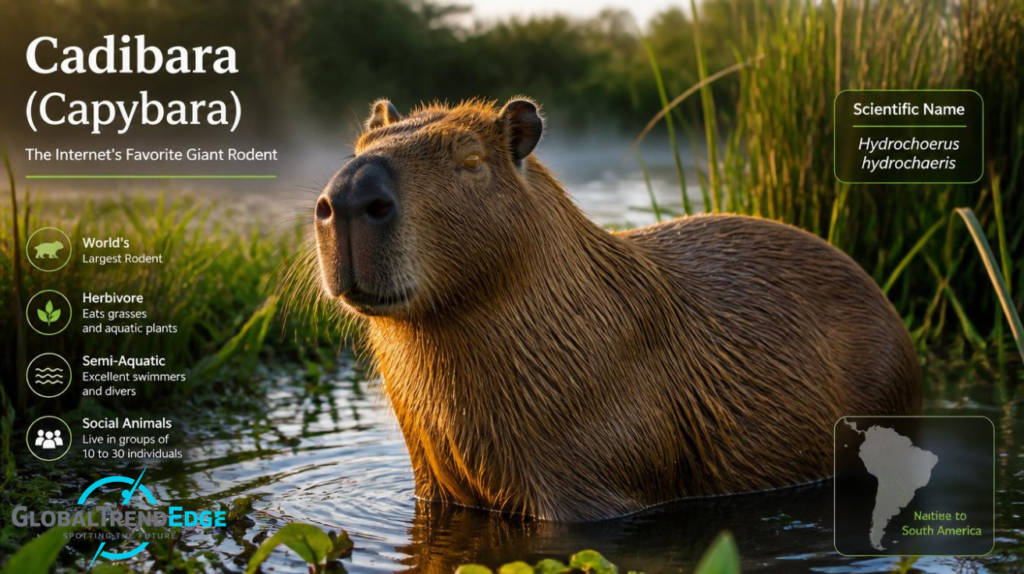
What Is Cadibara?
Understanding the Meaning of Cadibara
The word Cadibara is not recognized as a separate animal species in scientific classification.
Instead, it is commonly used online as an alternative spelling of the capybara. The variation likely emerged because many people heard the word pronounced in videos, memes, and social media clips before seeing it written. Over time, the spelling “Cadibara” spread across the internet and became a search trend of its own.
Is Cadibara a Real Animal?
Yes and no.
- The animal itself is absolutely real.
- The official name is capybara.
- Cadibara is simply an internet variation of the same animal.
The Real Animal Behind Cadibara
Meet the Capybara
The animal commonly referred to as Cadibara is scientifically known as:
Capybara
It is the largest living rodent on Earth and belongs to the same broader family as guinea pigs and other South American rodents.
Quick Facts
| Fact | Information |
|---|---|
| Scientific Name | Hydrochoerus hydrochaeris |
| Animal Type | Mammal |
| Family | Caviidae |
| Diet | Herbivore |
| Habitat | Wetlands, rivers, grasslands |
| Native Region | South America |
| Average Weight | 35–66 kg |
| Lifestyle | Semi-aquatic |
Why Cadibara Became So Popular Online
The Rise of Internet Animal Culture
The internet loves unique animals.
Over the years, animals such as otters, red pandas, axolotls, and capybaras have gained massive popularity online. Cadibara joined this trend because of the capybara’s unusual appearance and calm personality.
Social Media Influence
Platforms such as:
- TikTok
- YouTube Shorts
have helped millions of users discover capybara videos and memes. Many of these videos feature the animals relaxing peacefully, swimming, socializing, or interacting calmly with other animals.
Where Do Cadibaras Live?
Natural Habitat
Cadibaras are native to South America and are strongly connected to water-based ecosystems.
They commonly live in:
- Wetlands
- Riversides
- Marshes
- Flooded grasslands
- Tropical forests
- Savannah regions
Major populations can be found in:
Brazil,
Argentina,
Colombia,
Venezuela,
Paraguay,
and Uruguay.
Why Water Is Essential
Water plays a crucial role in the life of a capybara.
It helps them:
- Escape predators
- Stay cool
- Find food
- Socialize safely
Their eyes, ears, and nostrils sit high on their heads, allowing them to remain mostly submerged while still observing their surroundings.
Physical Characteristics of Cadibaras
Built for Land and Water
Cadibaras possess several adaptations that make them excellent swimmers.
Distinct Features
- Barrel-shaped body
- Short legs
- Webbed feet
- Small ears
- Large front teeth
- Dense brown fur
These characteristics help them thrive in both aquatic and terrestrial environments.
What Do Cadibaras Eat?
Herbivorous Diet
Cadibaras are strict herbivores.
Their diet mainly consists of:
- Grasses
- Aquatic plants
- Reeds
- Leaves
- Water vegetation
During certain seasons they may also consume fruits and bark.
Efficient Digestion
Like many grazing animals, capybaras have specialized digestive systems that help them extract nutrients from tough plant material.
Why Are Cadibaras Known as the World’s Most Relaxed Animal?
Calm and Social Nature
One reason for the Cadibara trend is the animal’s peaceful personality.
Unlike many wild mammals, capybaras are known for:
- Low aggression
- Strong social bonds
- Tolerance toward other species
- Relaxed behavior
This calm nature is one reason they became internet celebrities.
Living in Groups
Cadibaras are highly social animals.
Typical groups include:
- Adult males
- Adult females
- Young offspring
Some groups can contain dozens of individuals depending on habitat conditions.
Cadibara and Meme Culture
Why Memes Love Capybaras
The capybara’s relaxed appearance makes it perfect for online humor.
Common meme themes include:
- Staying calm under pressure
- Relaxation
- Friendship
- Positive energy
- Stress-free living
Many users see the animal as a symbol of peace and simplicity.
Viral Music and Videos
Numerous viral videos combine capybara footage with catchy music, helping spread the Cadibara spelling worldwide.
Ecological Importance of Cadibaras
More Than Just Internet Celebrities
Despite their online fame, capybaras play an important ecological role.
They help:
- Maintain wetland ecosystems
- Control vegetation growth
- Distribute nutrients
- Support biodiversity
Healthy capybara populations contribute to balanced ecosystems throughout South America.
Common Misconceptions About Cadibara
Myth 1: Cadibara Is a Different Animal
False.
Cadibara generally refers to the capybara and is not a separate species.
Myth 2: Capybaras Are Dangerous
Generally false.
Capybaras are known for their gentle nature, though like any wild animal they should be treated with respect.
Myth 3: They Only Live in Water
False.
They are semi-aquatic and spend significant time on land as well.
Key Takeaways
- Cadibara is generally a popular alternative spelling of capybara.
- The capybara is the largest rodent in the world.
- These animals are native to South America.
- They are highly social and known for their calm temperament.
- Water plays a critical role in their survival.
- Social media and meme culture helped make Cadibara a viral search term.
- Capybaras contribute significantly to wetland ecosystems.
Frequently Asked Questions
What does Cadibara mean?
Cadibara is commonly used online as a phonetic variation or misspelling of the word capybara.
Is Cadibara a real species?
No. The official species is the capybara. Cadibara is not recognized as a separate scientific classification.
Why is Cadibara trending?
The term gained popularity through memes, viral videos, social media platforms, and internet culture.
Are capybaras friendly?
Capybaras are generally known for calm and social behavior, although they remain wild animals.
Where can I learn more about capybaras?
Reliable information can be found through wildlife organizations, zoological institutions, and conservation groups.
Conclusion
Cadibara may have started as an alternative spelling, but it has become a recognized internet phenomenon. Behind the viral keyword lies one of nature’s most fascinating mammals, the capybara. Its peaceful personality, impressive swimming abilities, social behavior, and ecological importance have made it a favorite among animal lovers worldwide.
Whether you search for Cadibara or capybara, you’re discovering a remarkable species that demonstrates how wildlife can capture global attention through both nature and digital culture.