

Radio Silenz Is Not Quiet It Is Loud
We fetishize constant communication. Stand-ups, Slack pings, status reports. It’s chaos. I realized the real power of radio silenz during a major incident a few years back. The SRE lead shut down all non-critical comms. No war room chatter. Just focused execution. The silence wasn’t passive; it was a tactical weapon.

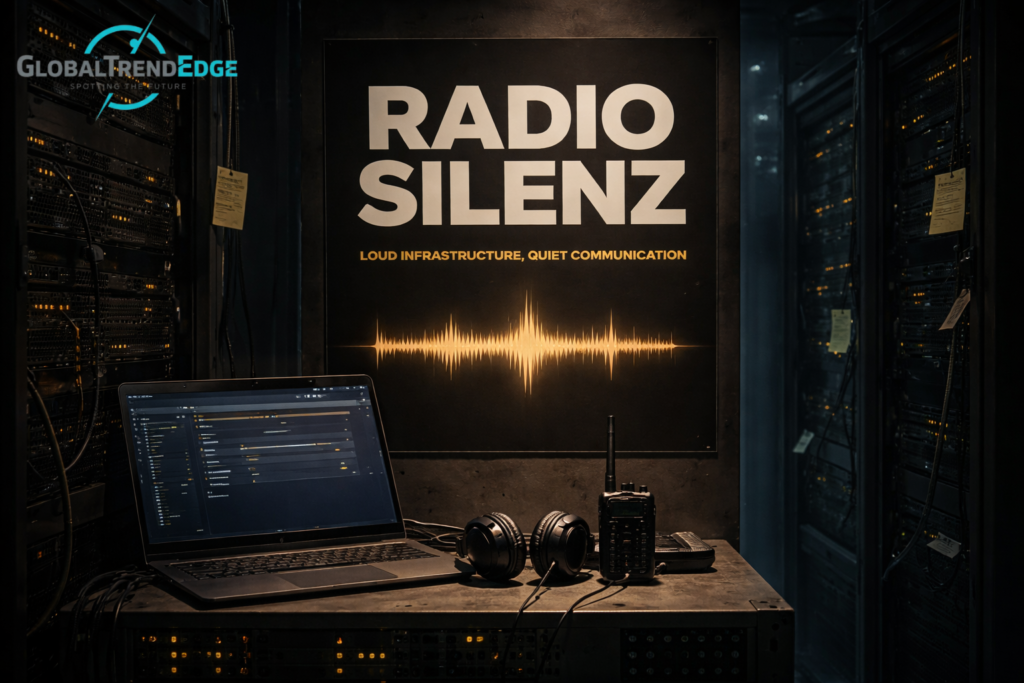
From Observability Noise to Signal
Modern stacks vomit data. A thousand Grafana dashboards. A million Splunk alerts. It’s deafening.
Radio silenz is the practice of designing systems to emit only actionable intelligence. This means engineers aren’t wading through logs. They’re responding to clear, orchestrated alerts. This requires brutal data discipline. You stop logging everything “just in case.” The future belongs to teams that value signal curation over data hoarding.
Architectural Isolation by Design
Microservices promised resilience. They often deliver distributed chaos. (We’ve all seen the “death star” architecture diagram.)
True radio silenz enforces hard domain boundaries and async-first communication. Events over synchronous calls. Think Kafka, not REST. This allows a failing service to go dark without dragging the entire ecosystem down. It fails quietly. The system isolates the breach. This is how you survive a regional AWS outage when others are declaring a P0.
Security Through Operational Silence
Constant telemetry is a double-edged sword. What you expose for debugging, you expose for attack. (SolarWinds, anyone?)
Strategic silence means minimizing your operational footprint. No verbose error messages to end-users. No unnecessary protocol handshakes. Silent, dropped packets for scan attempts. It’s a move from “let’s see everything” to “they see nothing.” This isn’t just stealth. It’s reducing your attack surface by default.
The Hidden Cost of Radio Silenz
What the Sales Reps Won’t Tell You
Implementing this is a culture war. The “always-on” data lake vendor hates it. The middle manager who measures productivity by Slack activity fears it.
The hidden cost? Talent and tooling. Your junior dev used to throwing console.log everywhere will struggle. Your shiny, expensive monitoring suite will suddenly seem grotesquely over-featured. You’ll need engineers who can reason about systems in the dark. They are rare and expensive. You’ll also fight compliance teams who think every keystroke must be audited forever (good luck).
What Is Radio Silenz
TL;DR: Radio silenz is the deliberate, strategic suppression of operational noise. It forces better architecture, tighter security, and sharper talent. It’s not about doing less. It’s about letting the system speak only when it has something critical to say. The quietest infrastructure is often the most resilient.