

Link Fanart: The Complete Guide to the Legend of Zelda’s Most Beloved Fan Art Tradition
Introduction
Link is one of the most recognizable characters in video game history. The green-tunic-wearing, sword-wielding hero of The Legend of Zelda has captured imaginations since 1986, and fans have been drawing him ever since. Today, Link fanart spans every style imaginable, from pixel-perfect recreations to painterly watercolors to anime-inspired reimaginings.
If you have arrived here wondering what Link fanart is, where to find the best of it, whether you can create and share your own, or simply why this tradition matters to gaming culture, this guide covers all of it honestly and thoroughly.

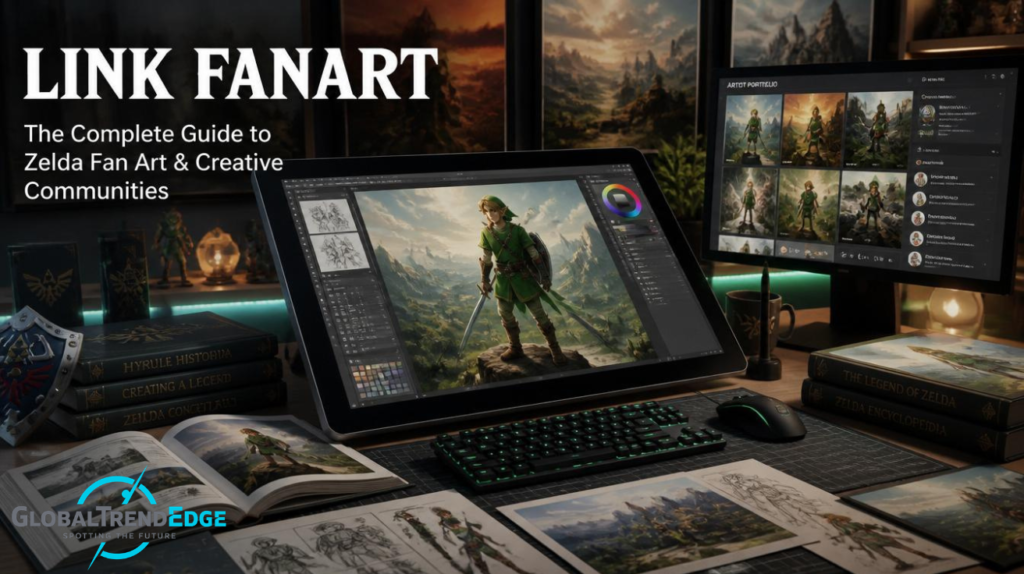
What Is Link Fanart?
Fanart refers to artwork created by fans of a character, franchise, or media property. It is unofficial art, meaning it is not made by or for Nintendo, the company that owns The Legend of Zelda series. Fans create it out of genuine love for the character or series.
Link is the protagonist of The Legend of Zelda franchise, which has released over 20 main titles since 1986. Because the series spans decades and features many different visual interpretations of Link, fanart of the character is unusually rich and varied. Artists are not drawing one fixed design but rather dozens of versions: young Link, adult Link, cartoon Link from The Wind Waker, darker Link from Twilight Princess, and the open-world version from Breath of the Wild and Tears of the Kingdom.
This variety is one reason Link fanart has such a vibrant community around it.
A Brief History of Link Fan Art
Fan-made art of video game characters predates the internet. Fans drew characters in notebooks and shared physical zines long before platforms like DeviantArt existed.
With the launch of Ocarina of Time in 1998, which introduced a fully realized 3D Link, fan creativity spiked significantly. Forums and early websites became hubs for sharing artwork. DeviantArt, launched in 2000, gave artists a dedicated place to upload and receive feedback.
The release of Twilight Princess in 2006 brought a mature, dark aesthetic to Link’s design, inspiring a wave of more dramatic, cinematic fanart styles. Then The Wind Waker’s cel-shaded look attracted artists who preferred a clean, bold visual approach.
Breath of the Wild (2017) caused another surge. The game’s open-world setting and redesigned Link created enormous fan response, with platforms like Twitter, Tumblr, Instagram, and ArtStation all seeing spikes in Zelda-related artwork.
Each major game release tends to reinvigorate the fanart community. That pattern continued with Tears of the Kingdom in 2023.
Popular Styles of Link Fanart
Artists approach the character from many angles. Some common styles that appear frequently across fanart platforms include:
Realistic Interpretations
Some artists reimagine Link as a photorealistic figure, adding texture to his tunic, realistic lighting to his face, and environmental detail that game engines of earlier eras could not achieve. These pieces often look like oil paintings or digital concept art.
Anime and Manga Style
Because Zelda has always had a visual connection to Japanese animation aesthetics, many artists draw Link in a distinctly anime style. These works emphasize expressive eyes, flowing hair, and dynamic action poses. Some closely follow the style of official materials like the Zelda manga by Akira Himekawa.
Chibi and Cute Art
Chibi art exaggerates proportions for cuteness, giving characters oversized heads and small bodies. Link in chibi form has been consistently popular for years, particularly alongside Zelda or other characters from the series.
Dark Fantasy
Inspired by Twilight Princess and Majora’s Mask, dark fantasy fanart emphasizes shadow, grime, emotional weight, and a more serious tone. Artists working in this style often give Link battle scars, intense expressions, or depict him in morally complex situations.
Pixel Art and Retro Style
A nod to the character’s origins, pixel art fanart recreates Link in 8-bit or 16-bit aesthetics. Some artists create entirely new sprites, while others reimagine modern versions of Link in classic pixel form. Pixel art remains popular because it is accessible and nostalgic.
Comic and Webcomic Style
Several artists have created multi-page comic or webcomic-style stories featuring Link. These range from humor-based strips to long-form adventure narratives.
Crossover Art
Crossover fanart places Link alongside characters from other franchises. Common crossovers include Link with characters from other Nintendo games like Mario or Kirby, as well as pairings with characters from anime, other RPG series, and western media.
Where to Find Quality Link Fanart
Several platforms host large amounts of Zelda and Link fanart. Each has a different community culture and content policy.
DeviantArt
DeviantArt has been a primary home for fanart since the early 2000s. Searching “Link Zelda fanart” returns thousands of results across styles and quality levels. The platform allows artists to receive comments, join groups, and build an audience over time.
ArtStation
ArtStation is popular with professional and semi-professional artists. Link fanart on this platform tends to lean toward high-quality digital paintings and concept art styled work. It is a good place to find technically impressive pieces.
Twitter and X
Many artists post their work on social media platforms using hashtags like #Zelda, #LinkFanart, or #BOTW. Twitter has historically been a fast way to see newly created work, especially in the days following a new game release.
Instagram is used heavily by illustrators and artists who combine fanart with personal work. Because of its image-first format, it works well for showcasing polished finished pieces.
Tumblr
Tumblr has had a complicated history, but it remains a home for fanart communities, particularly for artists who create narrative-driven or character-focused work. The Zelda fandom has had an active Tumblr presence for years.
Pinterest is primarily a discovery platform rather than an artist community. It aggregates fanart from across the web and can be useful for finding pieces to look at, though it is not ideal for tracing work back to original creators.
Pixiv
Pixiv is a Japanese illustration platform with a massive Zelda fanart community. Given the series’ popularity in Japan and the overlap between anime art styles and Zelda aesthetics, Pixiv hosts some of the most technically accomplished Link fanart available anywhere. Most content is labeled in Japanese, but the platform is usable internationally.
Creating Your Own Link Fanart
Many people searching for Link fanart are also interested in making their own. Here is practical guidance for getting started.
Choosing a Version of Link to Draw
Because Link has appeared in so many games with distinct designs, the first decision is which version to depict. Each has a different silhouette, color palette, and mood:
Breath of the Wild Link wears a blue Champion’s Tunic and has a more open, natural feel. Classic Link wears the iconic green tunic with a pointed hat, most associated with Ocarina of Time. Wind Waker Link has exaggerated, cartoonish proportions. Twilight Princess Link has a more grounded, serious design with detailed armor elements.
Picking a version you enjoy playing or watching will naturally motivate you through the process.
Reference Materials
Good reference images make drawing significantly easier. Nintendo has released official artwork for each game, and these are widely available through fan wikis like Zelda Wiki (zeldawiki.org) and Zelda Dungeon (zeldadungeon.net). Using official art as a reference for proportions and costume details before developing your own style is standard practice.
Tools and Software
For digital art, common tools used by fanart creators include Adobe Photoshop, Procreate (for iPad users), Clip Studio Paint, and free alternatives like Krita. For traditional art, pencil sketches refined with ink, watercolor, or colored pencils are all popular approaches.
Learning Resources
YouTube has a large number of character drawing tutorials. Searching for Zelda or anime character tutorials will surface relevant instruction. Proko, a YouTube channel focused on figure drawing fundamentals, is widely recommended for artists wanting to improve overall figure drawing skills rather than just copy a specific character.
Copyright and Sharing: What You Need to Know
This is a topic worth addressing honestly, because confusion is common.
Link and the entire Legend of Zelda franchise are intellectual property owned by Nintendo. This means Nintendo holds the legal rights to the character’s design, name, and associated elements. Fanart of Link exists in a legally ambiguous area that copyright law handles differently across countries.
In practice, Nintendo has historically tolerated fan-created, non-commercial artwork. The company has not typically pursued legal action against individual artists who create and share Link fanart for free as a creative hobby. However, several important limits exist that artists should understand.
Selling fanart is a significantly different situation. Many artists do sell fanart prints and commissions, and some conventions host fanart dealers. Nintendo has occasionally issued takedowns or enforcement actions related to commercial use of their characters, though their approach has varied over time and is not always consistent.
If you want to sell fanart featuring Nintendo characters, the safest approach is to research current enforcement trends, consult resources like the Organization for Transformative Works (transformativeworks.org) for information on fan creator rights, and understand that selling always carries more risk than free sharing.
For free, non-commercial sharing of Link fanart on platforms like DeviantArt, Instagram, or Tumblr, the creative community has operated this way for decades without widespread issue. That said, this does not constitute a legal green light, and the situation can change.
Crediting the original character’s source (The Legend of Zelda, Nintendo) in your post description is considered good practice within the fanart community.
The Cultural Significance of Link Fanart
It might seem like a small thing, drawing a video game character, but fanart communities serve real cultural functions.
For many artists, fanart is where they learned their craft. Drawing a beloved character gives a concrete subject to practice with, and the feedback from a community of people who share your enthusiasm for the source material is genuinely motivating. Countless professional illustrators and concept artists trace their development back to drawing game and anime characters as teenagers.
Fanart also extends and deepens engagement with the source material. A fan who creates detailed art of a Zelda dungeon or an imagined backstory for a side character is engaging with the game world in a way that goes beyond passive consumption. This kind of creative response is considered by media scholars to be an important part of participatory culture.
Link specifically is interesting because Nintendo has deliberately kept him a somewhat blank-slate protagonist. He rarely speaks in the games, has minimal characterization in most titles, and is designed to feel like a stand-in for the player. This blankness is actually an invitation for creative interpretation. Artists can project personality, emotion, and story onto him in ways that a more fully defined character would resist.
Key Takeaways
Link fanart has a decades-long history rooted in genuine fan creativity and love for The Legend of Zelda series.
The character’s many visual designs across different games give artists an unusually wide range of styles and aesthetics to explore.
Major platforms for finding fanart include DeviantArt, ArtStation, Pixiv, Instagram, and Twitter/X.
Creating fanart is a common and accessible way to develop artistic skills, and the Zelda community is generally welcoming to new artists.
Non-commercial sharing of fanart exists in a legal gray area, but selling fanart carries more risk and warrants extra research.
Nintendo has historically tolerated fan creativity but retains full legal rights to the character and franchise.
FAQ
What is the most commonly drawn version of Link in fanart? This varies by time period. Ocarina of Time Link dominated for years. Breath of the Wild Link has been one of the most popular subjects since 2017, and interest spiked again after Tears of the Kingdom released in 2023.
Can I post Link fanart on social media? Yes. Posting non-commercial fanart on personal social media accounts is widely practiced, and Nintendo has not typically targeted individual artists doing this. Crediting the original series in your post is considered good etiquette.
Can I sell Link fanart? Legally, selling fanart of Nintendo-owned characters without a license is a copyright infringement risk. Many artists do it through platforms like Etsy or at conventions, but it carries legal exposure. Nintendo’s enforcement of this is inconsistent but real.
Where can I find tutorials for drawing Link? YouTube is the most accessible source. Searching “how to draw Link Zelda” returns many tutorials at different skill levels. Pinterest boards and DeviantArt journal posts also contain tips from experienced artists.
Is there official Zelda art I can use as a reference? Official Nintendo artwork is available through fan-maintained wikis like Zelda Wiki and Zelda Dungeon. These are useful as a reference for costume details and character proportions when creating your own original interpretation.
What drawing software is best for fanart beginners? Procreate (iPad) and Clip Studio Paint are popular with fanart creators at all skill levels. Krita is a free, open-source option. For traditional media, pencil and ink remain completely valid, and many artists prefer them.
Is Link’s canonical name actually Link? Yes. While players can name the protagonist in most Zelda games, the character’s canonical name in the lore is Link. In the games and official materials produced by Nintendo and partner publishers, he is referred to as Link.
Conclusion
Link fanart is more than a hobby niche. It is a living tradition that has helped shape generations of artists, sustained a passionate creative community, and kept one of gaming’s most iconic characters perpetually fresh in the cultural imagination. Whether you want to browse beautiful interpretations of the hero of Hyrule, start creating your own artwork, or simply understand why this community exists, the world of Link fanart is genuinely worth exploring.
The best place to start is wherever your own interest is strongest: watching a drawing tutorial, browsing Pixiv, or just picking up a pencil.