

Introduction
The way people watch television and video content has changed dramatically over the past two decades. Traditional cable subscriptions are no longer the only option for accessing entertainment. Today, viewers rely on streaming services, smart TVs, mobile apps, and online platforms to watch movies, television programs, live broadcasts, and on-demand content.
One term that occasionally appears in searches related to digital entertainment is BitTV.
Depending on the region and platform, BitTV may refer to a digital television service, IPTV-related platform, streaming solution, media distribution service, or online content delivery system. Users searching for BitTV are often looking for information about its features, available content, compatibility, and overall viewing experience.
This guide explores what BitTV is, how digital streaming platforms operate, the technologies behind modern content delivery, and what viewers should consider when choosing a streaming service.
What Is BitTV?
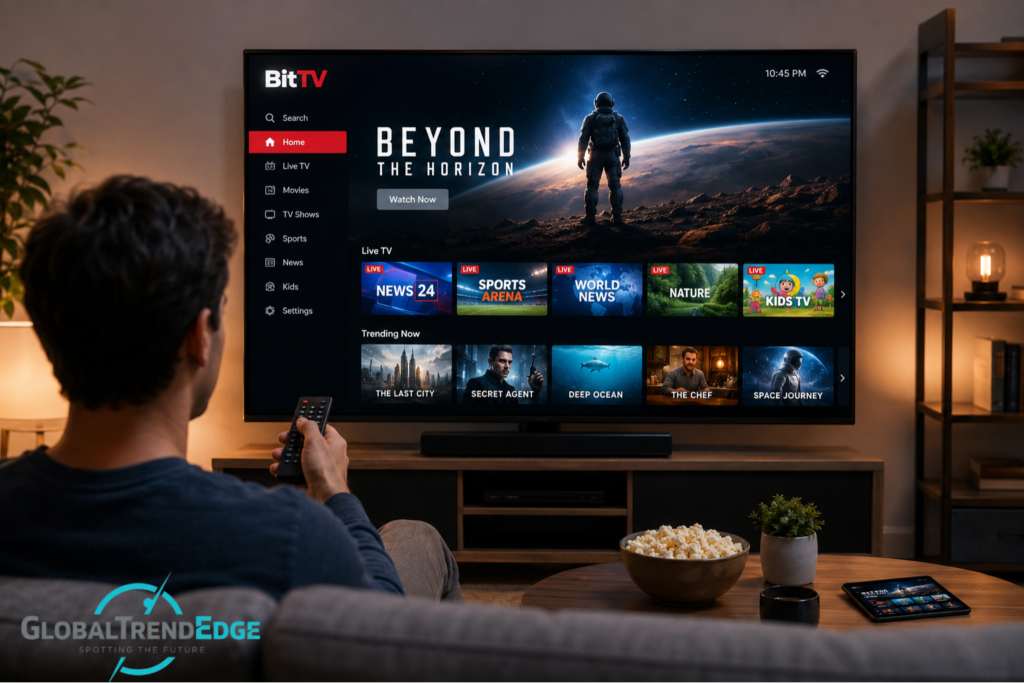
BitTV is generally associated with digital television and streaming technology that enables users to access video content through internet-connected devices.
Unlike traditional broadcast television, modern streaming platforms deliver content through online networks, allowing viewers to watch programs whenever and wherever they choose.
Depending on the service, BitTV platforms may provide the following:
- Live television channels
- Video-on-demand content
- Movies
- Television series
- Sports coverage
- News broadcasts
- Educational programming
- Mobile streaming access
The primary goal is to make content more accessible across multiple devices.

How Digital Streaming Platforms Work
Modern streaming services rely on internet-based content delivery rather than traditional cable or satellite infrastructure.
The process generally follows several steps.
Content Acquisition
Streaming platforms obtain content through:
- Licensing agreements
- Production partnerships
- Original programming
- Broadcast rights
Content Storage
Video files are stored on secure servers and cloud infrastructure.
Content Delivery Networks (CDNs)
To ensure smooth playback, streaming providers use content delivery networks that distribute data across multiple geographic locations.
Benefits include:
- Faster loading speeds
- Reduced buffering
- Better reliability
- Improved global access
User Streaming
When a user presses play, the content is delivered in small data segments that are assembled in real time on the viewing device.
Why Streaming Platforms Have Become So Popular
Several factors explain the rapid growth of streaming services.
Convenience
Users can watch content whenever they want without following traditional broadcast schedules.
Device Flexibility
Modern platforms work across:
- Smartphones
- Tablets
- Smart TVs
- Laptops
- Desktop computers
- Streaming devices
Personalized Experiences
Many services provide:
- Customized recommendations
- Watch history
- Personalized profiles
- Viewing preferences
On-Demand Access
Viewers no longer need to wait for scheduled broadcasts.
Common Features Associated With BitTV Platforms
While features vary between providers, several capabilities are commonly expected.
Live Television
Many streaming services offer access to live channels.
Popular categories include:
- News
- Sports
- Entertainment
- Documentaries
- Children’s programming
Video On Demand (VOD)
Viewers can select content from a digital library and watch it instantly.
Benefits of VOD
- Flexible viewing schedules
- Pause and resume functionality
- Replay options
- Large content libraries
Multi-Device Support
Modern users expect seamless access across multiple devices.
A typical account may allow viewing on the following:
- Smart TVs
- Mobile devices
- Computers
Search and Discovery Tools
Content discovery features help viewers find the following:
- Movies
- TV shows
- Sports events
- New releases
- Trending content
The Technology Behind Modern Streaming
Streaming technology has advanced significantly.
Adaptive Bitrate Streaming
This technology automatically adjusts video quality based on internet speed.
Advantages include:
- Reduced buffering
- Better viewing experience
- More reliable playback
Cloud Infrastructure
Cloud-based systems help providers:
- Store content
- Scale operations
- Improve reliability
- Manage large audiences
Artificial Intelligence Recommendations
Many streaming services use AI systems to recommend content based on viewing habits.
Common recommendation factors include:
- Watch history
- Viewing duration
- Genre preferences
- User ratings
Content Categories Often Found on Streaming Platforms
Digital television services typically offer diverse content.
Movies
Popular categories include:
- Action
- Comedy
- Drama
- Thriller
- Science Fiction
- Family Films
Television Series
Serialized content remains one of the biggest drivers of streaming subscriptions.
Sports
Sports content frequently attracts large audiences.
Popular coverage may include:
- Football
- Basketball
- Cricket
- Tennis
- Motorsport
News
Many viewers rely on streaming platforms for real-time news access.
Educational Content
Learning-focused programming continues to grow in popularity.
Benefits of Internet-Based Television
The shift from traditional broadcasting to streaming offers several advantages.
Greater Accessibility
Content can be accessed from almost anywhere with internet connectivity.
Flexible Viewing
Users control when and how they watch.
Larger Content Libraries
Streaming platforms often provide thousands of hours of programming.
Continuous Updates
New content can be added without infrastructure changes.
Challenges Facing Streaming Services
Despite their popularity, streaming platforms face several challenges.
Content Licensing
Rights agreements can vary by region.
This may affect:
- Content availability
- Viewing restrictions
- Regional catalogs
Bandwidth Requirements
High-quality video requires stable internet connections.
Subscription Fatigue
Many consumers subscribe to multiple services, increasing overall costs.
Competition
The streaming market continues to become more competitive every year.
How to Choose a Streaming Platform
Before selecting any streaming service, users should evaluate several factors.
Content Availability
Does the service provide content you actually want to watch?
Video Quality
Look for support for:
- HD
- Full HD
- 4K
- HDR
Device Compatibility
Ensure support for your preferred devices.
Pricing
Compare:
- Monthly subscriptions
- Annual plans
- Free trial options
User Experience
A simple and responsive interface improves overall satisfaction.
Online Safety and Privacy Considerations
When using streaming platforms, users should prioritize security.
Use Official Services
Access content through legitimate providers whenever possible.
Protect Account Credentials
Create strong passwords and avoid sharing accounts unnecessarily.
Enable Security Features
Use available authentication and account protection tools.
Keep Devices Updated
Software updates often contain important security improvements.
The Future of Digital Television
The streaming industry continues to evolve rapidly.
Several trends are shaping the future.
Artificial Intelligence
AI-driven personalization is becoming more sophisticated.
Interactive Content
Viewers increasingly expect interactive viewing experiences.
Cloud Streaming
Cloud technologies continue to improve performance and scalability.
Global Content Distribution
Platforms are investing in international programming to reach wider audiences.
As internet infrastructure improves worldwide, digital television services are likely to become even more accessible.
Key Takeaways
- BitTV is generally associated with digital television and streaming services.
- Streaming platforms deliver content through internet-based technologies.
- Users benefit from flexible viewing, on-demand access, and multi-device compatibility.
- Modern streaming relies on cloud infrastructure and content delivery networks.
- Content categories often include movies, TV series, sports, news, and educational programming.
- Choosing a platform requires evaluating content, quality, pricing, and device support.
- Security and privacy remain important considerations for online entertainment.
Frequently Asked Questions
What is BitTV?
BitTV is generally associated with digital television, IPTV, or online streaming services that deliver video content over internet connections.
Can BitTV be used on mobile devices?
Many modern streaming platforms support smartphones and tablets, although compatibility depends on the specific service.
What type of content is typically available?
Common categories include movies, television shows, sports, news, and on-demand entertainment.
How does streaming differ from traditional television?
Streaming delivers content through the internet, allowing users to watch on demand rather than following fixed broadcast schedules.
What internet speed is recommended for streaming?
Requirements vary by video quality, but higher resolutions generally require faster and more stable internet connections.
Conclusion
BitTV represents the broader evolution of digital entertainment and internet-based television services. As viewers continue moving away from traditional broadcasting models, streaming platforms have become central to how people consume movies, television shows, sports, and news.
The appeal of streaming lies in its flexibility, accessibility, and personalized experience. Whether viewers watch from a smartphone, smart TV, tablet, or computer, modern platforms provide unprecedented control over how and when content is consumed.
As technology advances and global internet access improves, services associated with digital television and streaming will continue shaping the future of entertainment for audiences around the world.