
Introduction
Have you ever typed the word “keyboard” into a search engine? You are not alone. Many people accidentally spell “keyboard” this way. It happens because of fast typing or how words sound. But do not worry. Search engines understand what you really want. You are looking for information about keyboards.
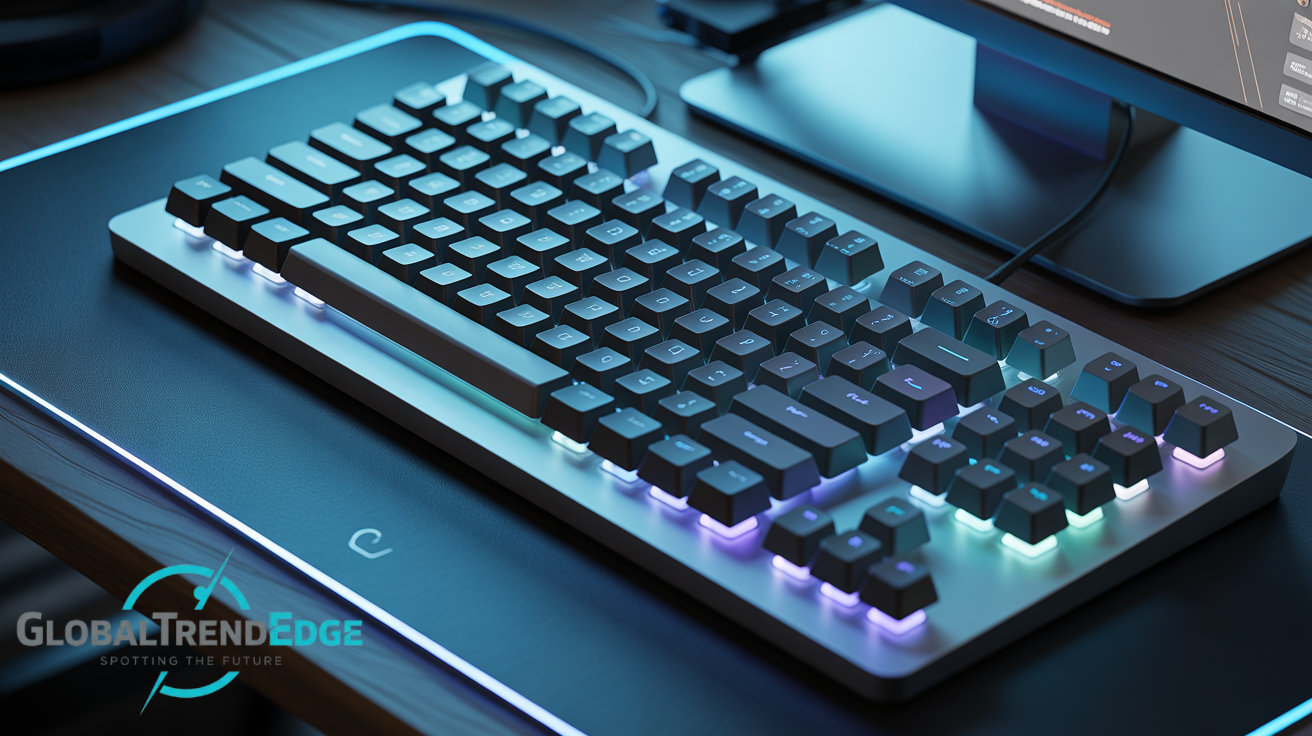
A keyboard, or kibord, is one of the most important computer parts. It helps you type, play games, and control your device. Choosing the right one can change your whole computing experience. This guide will help you understand everything about keyboards. Let’s start from the beginning.
What Does Kibard Actually Mean?
Let’s clear this up right away. “Kibard” is not a real English word. It does not appear in official dictionaries. You will not find it in any grammar book. So where does this word come from?
The simple answer is spelling. “Kibard” is a common misspelling of the word “keyboard.” People often type the letters “i” and “a” instead of “e” and “o” by accident. This mistake happens more often than you might think.
When someone searches for “kibard,” they almost always want information about keyboards. Search engines like Google know this. They show keyboard-related results anyway. That is why you landed on this guide.
So whenever you see the word “kibard,” just think “keyboard.” The meaning is exactly the same. A keyboard is a device that lets you type letters, numbers, and commands into your computer or laptop.
Why Do People Type “Kibard” Instead of “Keyboard”?
You might wonder why this spelling mistake is so common. There are several good reasons. Understanding them can help you spot why it happens.
Phonetic Spelling
English is not always easy to spell. Many words sound different from how they look. The word “keyboard” spoken quickly can sound like “kibard.” Your ears hear one thing, but the correct spelling is different. This is called phonetic spelling.
Non-Native English Users
Millions of people use English as a second language. Learning correct spellings takes time and practice. Many users write words based on how they sound. This is completely normal and understandable.
Fast Typing on Small Screens
Smartphones have made typing faster but less accurate. Your thumbs move quickly across tiny keys. Mistakes happen easily. “Keyboard” has many letters. Missing one or two can turn it into “kibard.”
Search Engines Understand You
Here is an interesting fact. Many people know that search engines fix spelling mistakes automatically. So they do not bother correcting “kibard” before searching. Why spend extra time? The results will be right anyway.
The bottom line is simple. “Kibard” is just a typo. It is nothing to worry about. Now let us focus on the real topic: keyboards.
The Basic Parts of a Keyboard
Every keyboard has several groups of keys. Each group serves a different purpose. Knowing these parts helps you type faster and smarter.
Alphabet Keys
These are the letters from A to Z. You use them for typing words and sentences. They take up the largest area on any keyboard.
Number Keys
You will find numbers from 0 to 9. They usually sit above the alphabet keys. Some keyboards also have a separate number pad on the right side.
Function Keys
Look for keys labeled F1 through F12. They sit at the very top row. These keys perform special actions. For example, F1 often opens the help menu. F5 refreshes your current page.
Control Keys
This group includes Ctrl, Alt, Shift, and the Windows key. You use them with other keys to perform shortcuts. Copy, paste, and save are common examples.
Navigation Keys
Arrow keys help you move the cursor around. Home, End, Page Up, and Page Down also belong here. They help you jump through documents quickly.
Special Keys
Enter, Space, Backspace, and Delete are special keys. You press them constantly while typing. They handle spacing, line breaks, and deletions.
Main Types of Keyboards You Should Know
Keyboards come in many shapes and sizes. Each type fits different users and situations. Let me walk you through the most common options.
Mechanical Keyboard
A mechanical keyboard uses individual switches under every key. Each keypress feels distinct and satisfying.
Why people love them:
- They last for many years
- The typing feel is excellent
- Gamers and programmers prefer them
The downsides:
- They can be noisy
- They cost more money
Membrane Keyboard
This is the most common type you see everywhere. These keyboards use rubber domes underneath the keys.
The good points:
- Very quiet to type on
- Lightweight and portable
- Much cheaper to buy
The not-so-good points:
- Less typing feedback
- Shorter lifespan
Wired Keyboard
A wired keyboard connects directly with a cable. This simple design has been around for decades.
Benefits of wired keyboards:
- No batteries needed
- Very fast response time
- Stable, reliable connection
Drawbacks to consider:
- Less portable
- Cable clutter on your desk
Wireless Keyboard
Wireless keyboards use Bluetooth or USB receivers. They free your desk from cables.
Why go wireless:
- Clean and tidy setup
- Easy to move around
- Great for laptops and TVs
Things to keep in mind:
- Needs batteries or charging
- Slight delay in response
Gaming Keyboard
Gaming keyboards are built for speed and accuracy. They have special features just for players.
Gaming keyboard features:
- Colorful RGB lighting
- Anti-ghosting for multiple keypresses
- Very fast response time
- Programmable macro buttons
Office Keyboard
Office keyboards focus on comfort and quiet typing. They are made for people who type all day.
Office keyboard features:
- Soft, silent keys
- Simple, clean design
- Ergonomic shape for wrist comfort
Virtual Keyboard
A virtual keyboard appears on your touchscreen. You tap the keys instead of pressing them. Smartphones and tablets use these. They save physical space but offer less typing feedback.
Mechanical vs. Membrane Keyboards: What is the Difference?
This is one of the most common questions people ask. Let me break it down for you clearly.
The Construction Difference
Mechanical keyboards have a physical switch under each key. Every key is independent. Membrane keyboards use a single rubber layer across all keys. The difference in feel is huge.
Typing Experience
Mechanical keyboards give you tactile feedback. You feel a bump or hear a click with each press. This helps you know the key registered. Your typing speed often improves as a result.
Membrane keyboards feel mushy or soft. The keys sink down smoothly. Some people prefer this quieter experience. But the feedback is much less noticeable.
Durability
Mechanical switches last much longer. They can handle millions of keypresses. Membrane keyboards wear out faster. The rubber domes lose their springiness over time.
Price
Membrane keyboards are cheaper. You can find good ones for under 30. Mechanical keyboards cost more, often $80 to $200. But they last longer, so the value balances out.
Noise Level
Mechanical keyboards make more noise. Some people love the clicking sound. Others find it annoying. Membrane keyboards are very quiet. They work well in shared offices or bedrooms.
Which One Should You Choose?
Pick a mechanical keyboard if you type a lot or play games seriously. Pick a membrane keyboard if you want something quiet and cheap. Both can serve you well. It really comes down to your personal preference.
How to Choose the Best Keyboard for Your Needs
Choosing a keyboard does not have to be hard. Just ask yourself these few questions. Your answers will point you in the right direction.
What Will You Use It For?
Your main use case matters most.
For typing documents and emails: Look for comfortable keys. A standard membrane or office keyboard works fine.
For programming and coding: Many developers prefer mechanical keyboards. The feedback helps with accuracy.
For gaming: Get a gaming keyboard. Look for fast response and anti-ghosting features.
For general home use: Almost any keyboard will work. Pick one that feels good to you.
What Is Your Budget?
Set a realistic budget before shopping.
Under $30: You can find decent membrane keyboards. They will get the job done.
30 to 30 to 80: You have many good options here. Both membrane and basic mechanical keyboards exist.
80 to 80 to 150: This range offers excellent mechanical keyboards. You get high quality and extra features.
Over $150: These are premium keyboards. They have the best switches, build quality, and features.
Do You Need Extra Features?
Think about what matters to you.
Backlighting: Helpful for typing in dark rooms. RGB lighting looks cool but costs more.
Programmable keys: Useful if you use many shortcuts. Gamers and power users love this feature.
Wrist rest: Good for long typing sessions. It reduces wrist strain and fatigue.
Wireless: Great for a clean desk setup. But remember to charge or replace batteries.
What Size Keyboard Do You Want?
Keyboards come in different sizes.
Full size (104 keys): Has everything including the number pad. Best for data entry and accounting work.
Tenkeyless (87 keys): No number pad. Saves desk space while keeping all other keys.
Compact (60% to 75%): Very small and portable. Great for travel or small desks. But you lose some dedicated keys.
Should You Try Before Buying?
Yes, whenever possible. Go to a local electronics store. Type on different keyboards for a few minutes. Your fingers will tell you what feels right. Everyone has unique preferences. There is no single “best” keyboard for all people.
Common Keyboard Problems and Simple Fixes
Keyboards can have issues sometimes. Most problems have easy solutions. You do not need to be a tech expert.
Keys Not Working
Start with the simplest fix. Unplug your keyboard and plug it back in. For wireless models, replace the batteries. If that does not work, restart your computer. Still having trouble? Try a different USB port.
Sticky or Stuck Keys
Spills happen to everyone. If a key feels sticky, turn off your keyboard first. Gently remove the keycap if possible. Clean the area with a cotton swab and rubbing alcohol. Let everything dry completely before using it again.
Typing the Wrong Letters
This often happens by accident. You might have changed your keyboard layout. Check your language settings. Make sure your keyboard is set to your correct language.
Keyboard Not Detected
Windows or Mac cannot see your keyboard. Try these steps in order:
- Check the cable connection
- Try a different USB port
- Restart your computer
- Update your keyboard drivers
- Test the keyboard on another computer
Keys Typing Repeatedly
A key registers multiple times with one press. This is called key chattering. It usually means a dirty or failing switch. Try cleaning the affected key. If that does not help, you may need a replacement.
Keyboard Shortcuts That Save You Time
Learning a few shortcuts will change how you work. These simple key combinations save hours over time.
Universal Windows Shortcuts
Ctrl + C – Copy selected text or files
Ctrl + V – Paste what you copied
Ctrl + X – Cut selected items
Ctrl + Z – Undo your last action
Ctrl + Y – Redo an undone action
Ctrl + A – Select everything
Ctrl + S – Save your current work
Ctrl + F – Find words in a document or webpage
Web Browsing Shortcuts
Ctrl + T – Open a new browser tab
Ctrl + W – Close the current tab
Ctrl + Tab – Switch to the next tab
Ctrl + Shift + T – Reopen a closed tab
F5 – Refresh the current page
Text Editing Shortcuts
Ctrl + B – Make text bold
Ctrl + I – Make text italic
Ctrl + U – Underline text
Home – Go to the start of a line
End – Go to the end of a line
Start with just a few shortcuts. Practice them until they feel natural. Then add more over time. Your typing speed will improve noticeably.
Tips for Keeping Your Keyboard Clean
A clean keyboard works better and lasts longer. Dust and dirt build up over time. Here is how to keep yours in good shape.
Turn Off and Unplug First
Always power down your keyboard before cleaning. Unplug wired keyboards completely. Remove batteries from wireless models. This prevents accidental keypresses and damage.
Shake Out the Loose Debris
Take your keyboard outside. Turn it upside down. Gently shake it back and forth. Crumbs, dust, and hair will fall out. Do this over a trash can or outside area.
Use compressed air.
Buy a can of compressed air. Hold it upright while using it. Spray between the keys at an angle. The air blows out stuck debris. Short bursts work better than long sprays.
Clean the Surfaces
Dampen a microfiber cloth slightly. Do not make it wet, just damp. Wipe all key tops and surfaces. Use a cotton swab for gaps between keys. Rubbing alcohol works well for tough spots.
Deep Clean When Needed
For a thorough cleaning, remove all keycaps. This only works for mechanical keyboards. Place keycaps in warm soapy water. Let them soak for a few minutes. Rinse and dry completely before reattaching.
How Often to Clean
Light cleaning every two weeks is good. A deep clean every few months works well. Your keyboard will stay fresh and responsive.
Frequently Asked Questions About Keyboards
Is “Kibard” a Real Word?
No, “kibard” is not a real word. It is a common misspelling of the word “keyboard.” Search engines understand this and show keyboard results anyway.
What is the best keyboard for beginners?
Most beginners do well with a standard membrane keyboard. It is affordable, quiet, and easy to use. As you learn your preferences, you can upgrade later.
How Long Do Keyboards Usually Last?
Membrane keyboards last about 3 to 5 years. Mechanical keyboards can last 10 years or more. Good care extends the life of any keyboard.
Can I Use a Keyboard with My Tablet?
Yes, you can. Many tablets support Bluetooth keyboards. Some keyboards have special tablet stands built in. Check your tablet’s compatibility before buying.
Why Do Gaming Keyboards Have RGB Lights?
RGB lights look cool, but they serve a purpose too. They help you see keys in dark rooms. Many gamers also use colors to organize key groups for different games.
What Does Anti-Ghosting Mean?
Anti-ghosting lets you press many keys at once. Every keypress gets registered correctly. This matters for gaming and fast typing. Standard keyboards might miss some keypresses.
Do Wireless Keyboards Have Lag?
Modern wireless keyboards have very little lag. Most people cannot notice any delay. Professional gamers still prefer wired connections for the fastest response.
How Do I Fix a Keyboard That Types Wrong Letters?
Check your language settings first. You may have switched keyboard layouts accidentally. Go to your computer’s settings and select the correct layout. Restart your computer if the problem continues.
Conclusion
“Kibard” is just a typo for the word “keyboard.” Now you know exactly what it means. More importantly, you understand everything about choosing and using a keyboard.
Your keyboard is one of the most important computer parts. The right choice makes typing easier and more enjoyable. Whether you need a quiet office keyboard or a fast gaming keyboard, there is an option for you.
Start by thinking about what you really need. Set a reasonable budget. Consider whether you want mechanical or membrane switches. Think about size and extra features like wireless or backlighting.
Remember to clean your keyboard regularly. Learn a few useful shortcuts to save time. Fix small problems before they become big ones. Your keyboard will serve you well for years.
Have more questions about keyboards? Drop them in the comments below. I would love to help you find the perfect keyboard for your needs. Happy typing, everyone.




[…] What Is a Kibard? A Guide to Keyboards | Keyboard Basics […]
[…] What Is a Kibard? A Guide to Keyboards | Keyboard Basics […]